Typing-driven dark Arthurian adventure for Mac players seeking challenge
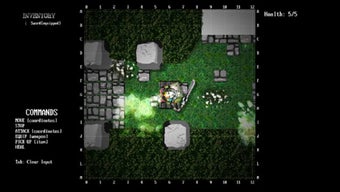
Camelot 10000CE from Deep Root Interactive is a dark fantasy typing-based adventure that reimagines Arthurian legend in a far-future, post-apocalyptic setting. The core mechanic centers on issuing text commands to move, attack, and interact, turning keyboard input into the primary control loop. The title pairs a decayed cyborg protagonist with hidden lore, challenging boss encounters, and multiple weapons to discover, creating an emphasis on mechanical mastery. The game targets players who enjoy experimental indie design and typing challenges.
What kind of game is Camelot?
The game places the player inside a fused-tech Arthurian myth, sending a ruined cyborg on a quest to find the Holy Grail in a desolate future. Exploration serves investigative goals: uncovering fragmented lore and tracing how mythology and machinery entwine. Narrative momentum depends on player curiosity and environmental reading rather than traditional cutscenes, which suits players who prefer discovery through examination and consequence-driven choices.
How steep is the learning curve?
The input model expects precise text entry to perform all actions, which makes mastery a mechanical challenge and raises the initial barrier. Difficulty is explicit: encounters include demanding boss fights that test typing speed and command selection. The developer issued updates to improve non-QWERTY compatibility and add numpad support, a practical accommodation that still leaves some layouts requiring manual configuration.
What does the game look and sound like?
Visuals and audio favour a bleak, metallic palette where organic ruin meets machine ornament, supporting a persistent mood of decay. Sound design underscores isolation with sparse, tension-focused cues rather than melodic scores. On Mac, the title runs on macOSMojave or later and recommends an Apple M1 or Intel Core M processor with 8GB of RAM, which frames expected performance on typical desktop hardware.
What keeps you coming back after the first session?
Replay value comes from concealed secrets spread across discrete regions, varied weapon discovery, and the mechanical satisfaction of improving command fluency. The game structures its content into separate areas with unique lore beats and boss encounters, encouraging repeat runs to access alternate paths and uncover buried narrative fragments. Players who enjoy skill-driven progression gain continued engagement from deliberate experimentation.
In summary, a focused choice for mechanically minded explorers
Camelot 10000CE suits players who follow Deep Root Interactive's experimental catalog and who appreciate tightly tuned, input-driven design; the studio's background in mechanically driven indie titles supports that orientation. Community response has been strongly positive on PC storefronts, indicating broad appreciation among niche audiences. Expect a narrow, committed experience rather than casual drop-in play, making it best for players who value deliberate mastery.